Monday, 26 February 2018

Unit 3: Distributing The Film

My work on how our film "Live For The Weekend" would be distributed:

The film "Live For The Weekend" meets the brief set out. It is under the 10-minute maximum (9 mins approx.) length allowed for the film and also is very relatable to the target audience that will be watching it as it is about the party life of many teenagers today. It is also in a recognised genre - a Drama film so would be accepted by distributors and is something that meets the brief.

Distributing The Film
The film would need a distributor so it can be marketing and also exhibited. Special companies exist that specifically do this - separate from the production companies. Examples of these include: Candella UK, Journeyman Pictures and Future Shorts.

Candella UK promotes films made by small filmmakers and then promotes them with the goal of reaching huge audiences and winning many awards. Most of the profits are then giving back to the filmmaker so they can then use the money to make more films. Films are distributed via DVD and also shown at many film festivals around the world. An example of a film Candella distributed is "Jade". This film was incredibly successful being nominated for 30+ awards and also winning many of them. It is quite similar to the film we are producing as it is a short drama that focuses on a young girl having to make some difficult decisions. The film was nominated for one BAFTA award.


Journeyman Pictures distributes documentary-style short films through online media outlets such as YouTube, Vimeo, Google Play and iTunes. They use there expertise and experience to promote films through these online media platforms on behalf of the producer. They mainly focus on documentary-style films about current issues. A recent example is a documentary called "The Brexit Effect" which has successfully gained over 70,000 views on YouTube.


Future Shorts promotes films through holding film festivals/events around Europe. They mainly focus on fictional/drama short films. The films are shown to a total audience of over 40,000 people and the winning filmmakers win $250. The idea is that other people get to see how good you are at making films, by them seeing a film at the festival they may contact you to make enquiries. An example of a film they have produced is "The Summer Movie". A short 9-minute film that follows the lives of some children in their summer holidays (this is not dissimilar to what we are trying to make). 

I think out of these options the best distributor for our film would be Candella UK. This is because they previously have distributed films very similar to the one we are producing (Drama films follow the issues of young teenagers). This means they will have the knowledge on how best is to reach this young target market as well as what platform is best to distribute the film on. I think the initial start of showing the film at festivals would benefit our film because it would allow us to 'test' it on an audience. Depending on feedback we can then go forward with Candella UK to distribute on DVD. I would also consider publishing it digitally through YouTube etc. as I think this would be a great way to reach our target market of teenagers (people who use this platform a lot). This is something Journeyman Pictures have expertise in (so if it was possible to use multiple distributors they would definitely be the ones to turn to develop an online presence). I didn't choose Journeyman Pictures overall as I don't think they have the experience of promoting fictional drama as they mainly focus on documentary style films (which are very different types of films). 

Promotion of the film
As the target audience for our film is young people. I think a similar approach should be taken with marketing the film. A focus on digital marketing would be very important. Paying for adverts on social media sites such as Instagram and Twitter would be much more valuable than traditional TV ads as young people spend more time on these sites then they do watching TV. Clips and previews could be shared through social media as well as interactive polls and Q&A type content. This is more likely to get people involved as there is something for them to interact with, also leading them to more likely remember the film and go and watch it.  I think billboard ads could still be used at the train station and on buses etc. as these are types of transport that young people most commonly use, Advertising on the roadside may not be as important and less young people drive. 

Wednesday, 21 February 2018

Unit 1: Case Study - Pride

Pride was made by an independent British film company called Calamity Films. It was hugely popular bringing over £12 million at the box office.

Calamity Films had to work with bigger production and distribution companies to get the audience it needed to be successful.

Pride was produced by Calamity films with Pathe (one of the biggest production companies in the world), BBC Films (a British household name), proud films and many more. This shows how smaller, independent film companies have to get support by larger companies so they can get obtain a budget big enough and be able to secure reputable actors etc.

CBS Films and Sony Pictures (conglomerates) distributed the film to the United States and Pathe (a huge household name) and 20th Century Fox (conglomerate) distributed the film to the UK and Europe. There not any links between these companies but because they are separate, huge companies then they are actually reaching an even larger audiences then of they were combined.

Having these partners is a huge benefit for calamity films as they will be able to reach a much larger audience then they would if they were alone as these conglomerates have huge advertising networks and budgets.

Unit 1: Different Types of Media Companies

Institutions - A company that owns numerous other companies that are involved in mass media.

Media Conglomerates - one overall parent companies own a number of subsidiary companies which operate as separate organisations. They have a large influence.

Independant Companies - Independent media refers to any form of media, such as radio, television, newspapers or the Internet, that is free of influence by government or corporate interests. Operate alone.

Join Venture - when a media company works with another media company on a project which is mutually beneficial for both parties.

Public Service Ownership - The UK's largest public service broadcaster is the BBC (well known around the world) - funded by the license fee payer, everyone who has a TV has to have one. Not true of all countries.

The BBC's aims is to produce output that informs, educates and entertains the people. They can produce niche content because they don't have to worry about getting advertisers. The idea is that they can produce a range of content for everybody (Asian Network, Arts, News etc) as they don't have to worry about profit. This is what we all get for paying the license fee - they're will always be something for each of us somewhere on the BBC.

Unit 1: Different Types of Media Industries

Specialist providers are companies that work in a specific part of the media industry. Such as:


  • Film - companies that produce blockbuster movies and small-scale films that are seen at the cinema, online and on TV.

  • TV & Radio - companies that produce tv programmes and radio shows that are broadcast across networks and streamed using on demand services.

  • Games - companies that produce games and the hardware they are played on. 

  • Print & Publishing - companies that produce and distribute books, magazines and newspapers. 

  • Web & Online Technologies - producers of internet based products such as apps and websites that run using communication based services. 

  • Music - include record labels that are usually part of conglomerates. They distribute music on behalf of artists around the world. 


Examples:


Thursday, 1 February 2018

Unit 3: Screenplay - Live For The Weekend

Patrick Campbell came up with the idea and wrote the screenplay for "Live For The Weekend":

Wednesday, 31 January 2018

Unit 3: Analysis of "Elliot on Adderall"


I have chosen the clip 'Elliot On Adderall' from the TV Show 'Mr Robot'. I chose this clip because it is filmed very like conventional film but also because it features drugs and the effects drugs are having on a character. This is useful for me because in the film we are making there is a scene that will take place very like this. I hopefully be able to take some inspiration from this clip when filming my own 'drug scene'.


Mise En Scene

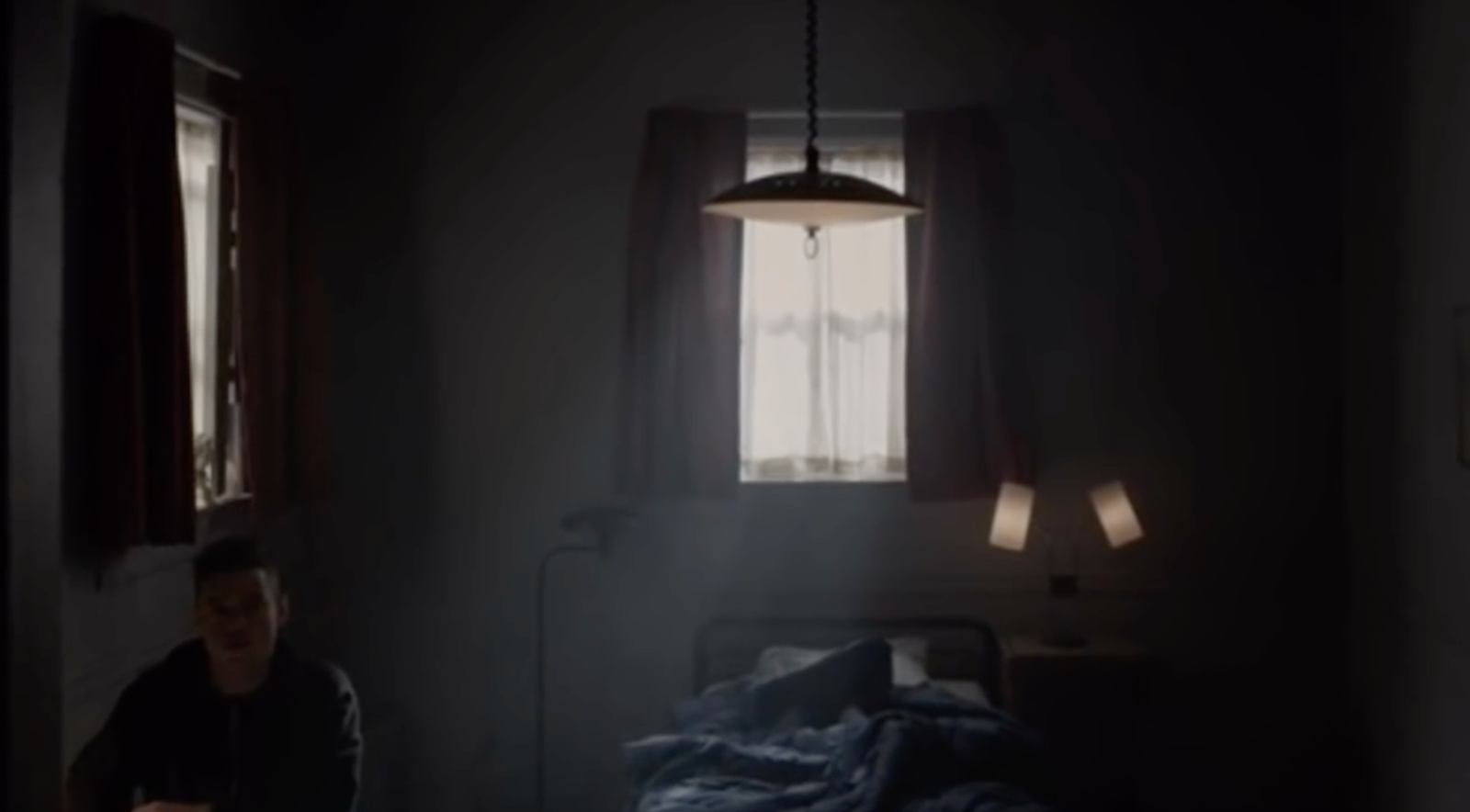
Almost everything in this scene in 'Mr Robot' has been placed to show the effect of drugs and what life is like for a drug user. Flat/cool colours are used throughout the scene setting an ominous and dark setting - representing the emotional state the character is in, struggling with mental problems and insecure in himself. It represents that things are not normal but actually very bad. 

The power of the drugs is portrayed in the way the scene is set out, all of the sets in this short clip are very minimal with very little furniture. This exaggerates how the drugs being used are very much in control of the characters life, they are all that matters - nothing else is really required for stimulation. All of the scenes also have a grey colour theme - again showing the darkness of the characters situation.


The main character, Elliot, always wears black clothes and often has his hood up. This contrasts in the scenes with other characters who usually where bright colours. This again is done to make him stand out amongst the others. Drug user in mental state who relies on drugs to survive vs your average normal person?


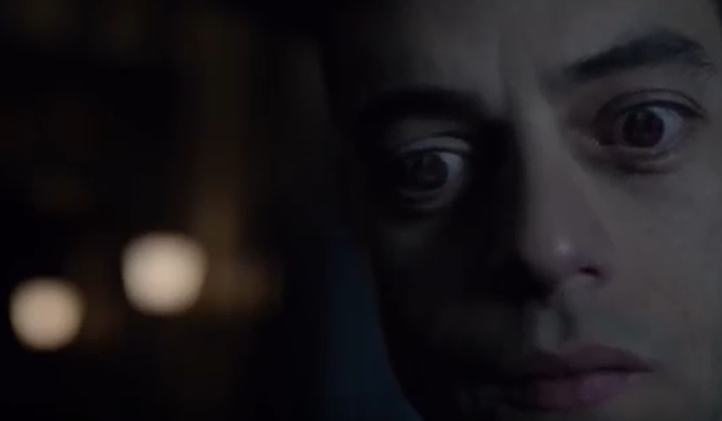
The lighting is always focused on the characters with almost no lighting on the background scene, I believe this is done to focus the viewers attention on the facial expressions of the characters as these are very important to the viewer so they see any slight effect that the drugs are having.


Camera

Extreme close-ups and a very shallow depth of field are used throughout this clip. This is emphasise the main objects being shows in the clip and make sure the user can see them with clarity. When we see ECU's on Elliot's face this is done to clearly show even the small effects the drugs are having on him. Even at times giving us clues to his emotional state.


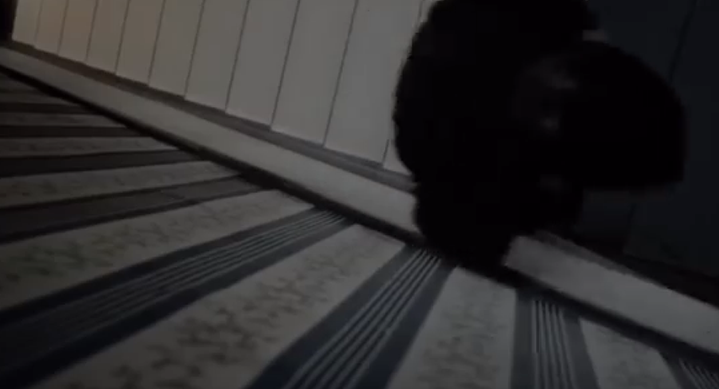
The camera also looks at the character from different angles at different times. Before Elliot takes the drugs the camera looks up on him (showing that Elliot is in control of himself). However, after he has taken the drugs the camera looks down on him, showing how he is not in control anymore, that it is the drugs in power.


The camera movement is this clip is minimal. The camera is largely fixed in position throughout the film - I believe showing how the main character is quite lonely. It is like nothing there, almost we are watching him from a 'whole in the wall'.


The camera does track or zoom towards the character at times, usually as he is about to take the drugs. I believe this is done to exaggerate the moment, almost make the viewer think "Oh no, he is doing it again".


Sound

Non-Diegetic sound is used throughout this clip. The main character speaks in a voice over frequently, this is done so we know what is going in his head, especially how he is feeling at different moments. This works very well as it helps to build an emotional connection with the viewer and the character.

A Non-Diegetic sound track is also used very well. At the introduction of the scene quite jolly music is played in the background - this is done to represent the good feeling the drugs are causing the character to feel - the positive effects they are having on him. Later in the clip however, when the negative effects of the drugs to come across and they start to wear off, scary, dark music starts to play. This makes the sudden mood change in the film very obvious.

There is a cut in the scene where a Diegetic sound effect is used while the character runs up the stairs, we hear his feet clapping on the stairs. This also syncs up with the music. I believe this was done in the specific film to show the order that the drugs are making Elliot feel like he has in his life momentarily.


Editing

Early on in the clip Elliot appears on the screen multiple times. This is done by cloning. This would of been done to show the repetition of the event, it is something he does everyday.


The screen also starts to pixelate later in the video. This has been done in editing and is done to show how the negative effects of the drugs are taking control of the mind of Elliot - showing confusion.